Adult Safeguarding Hub
The FFLM, supported by NHSE&I, has run three courses on the Forensic Aspects of Adult Safeguarding in 2021/2022 to support experienced practitioners who are keen to learn or improve their skills in documenting injuries and writing reports for the purposes of an adult safeguarding enquiry.
A Forensic Adult Safeguarding Group has been established and at the first meeting in May 2021 developed the following terms of reference:
- To provide time for discussion of cases in a relaxed, nonthreatening environment.
- To share professional experience.
- To review cases to ensure appropriate evidence-based management.
- To view photo-documentation accompanying the case presentation.
- To provide an opportunity for emotional support.
- To provide training for clinicians
- To help identify areas for additional training for the group and/or individuals concerned.
- To stimulate ideas for audit and/or research
Future meeting dates of the Forum are:
September 9th – Book here
December 9th – Book here
The group welcomes all members of the FFLM to attend with any adult safeguarding queries for discussion.
Resources as below are being developed for those who are involved in or may be interested in, this field of practice to support collaborative working in this area of practice.
Virtual Adult Safeguarding Day – 2026
Our Fifth Virtual Adult Safeguarding Day took place on 21 April 2026.
This conference was free for FFLM Members and those working in the NHS to attend.
To view the recordings of the day please click this link: Virtual Adult Safeguarding Day
Virtual Adult Safeguarding Day – 2027
Our Sixth Virtual Adult Safeguarding Day will be taking place on 13 April 2027.
This conference is free for FFLM Members and those working in the NHS to attend so why not join us?
Safeguarding Adults Week 2025 – A Forensic Perspective
For Safeguarding Adults Week 2025, we’re delighted to share a special conversation featuring:
- Dr Elisabeth Alton – FFLM Safeguarding Lead & Named Doctor for Safeguarding Adults
- Prof Margaret Stark – Specialist in Forensic & Legal Medicine
Together, Dr Alton and Prof Stark explore the vital role of Forensic Medicine in Safeguarding Adults. Their discussion addresses:
- The need for improved forensic training for both students and professionals
- The consequences of limited professional curiosity in safeguarding practice
- The essential role of forensic examination in securing justice for vulnerable adults
This conversation shines a light on why forensic expertise is essential in protecting those at risk and ensuring accountability.
Recommended Reading
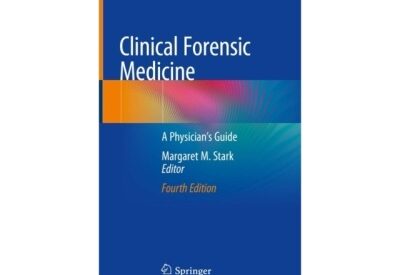
Payne-James JJ, Stark MM. Nittis M. Sheasby D. Chapter 4 Injury Assessment, Documentation, and Interpretation
In Stark MM. (2020) Editor. Clinical Forensic Medicine. A Physician’s Guide. Fourth edition. Springer Nature Switzerland.
ISBN 3030294617
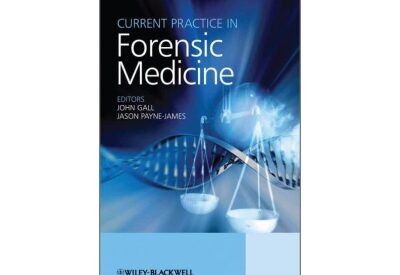
Gall J. & Payne-James JJ. Injury interpretation: Possible errors and fallacies. Chapter 9. pp.253-255
In Current Practice in Forensic Medicine. Wiley-Blackwell, Chichester, West Sussex, 2011
ISBN 9780470744871
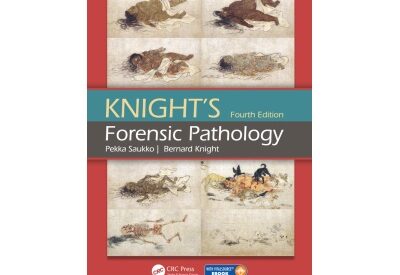
Saukko P. & Knight B. The Pathology of wounds. Chapter 4. pp. 133
In Knight’s Forensic Pathology. Fourth Edition. CRC Press, Boca Raton, 2016
ISBN 034097253X


Useful FFLM Publications
View all publications16 May 2025
Proforma – Forensic Examination: Adult Victim of Suspected Assault/Non-Accidental Injury (NAI)
3 May 2020
Recommendations – Child Safeguarding: Information Sharing Guidance for Healthcare Professionals working in Police Custody
24 August 2026
Recommendations for the Collection of Forensic Specimens from Complainants and Suspects